

Construction and real estate terminology can be confusing, especially when it comes to builders, developers, and contractors. While these terms are often used interchangeably, each refers to a distinct role in the construction process. Understanding these differences is essential for making informed decisions about your construction project or real estate investment.
Who is a Builder?
A builder is primarily responsible for the physical construction of a building. From laying the foundation to installing walls, roofs, and finishing, builders bring architectural plans and blueprints to life.
Role: Oversees the actual building process.
Responsibilities: Construction, labor management, quality assurance, and timely project completion.
Skills Needed: Knowledge of construction techniques, ability to read blueprints, project management, and problem-solving.
Modern builders now often integrate sustainable construction practices, energy-efficient materials, and smart home infrastructure to meet 2026 construction standards.

Who is a Developer?
A developer takes a broader role in real estate projects, combining land acquisition, planning, financing, and project management. Developers oversee a project from concept to completion and eventual sale or lease.
Role: Manages the entire real estate development process.
Responsibilities: Land acquisition, securing permits, financing, project oversight, and ensuring profitability.
Skills Needed: Real estate market knowledge, financial acumen, negotiation skills, project management, and strategic planning.
Developers in 2026 are also focusing on eco-friendly, smart, and mixed-use developments to meet modern buyer preferences.

Who is a Contractor?
A contractor is hired by a developer or property owner to execute specific construction tasks.
Role: Carries out construction work as per the contract.
Responsibilities: Supervising workers, managing subcontractors, ensuring safety standards, completing tasks on schedule, and maintaining budget compliance.
Skills Needed: Expertise in construction trades, project management, building codes, and quality assurance.
Contractors increasingly use modern project management software and automation tools to streamline workflows and reduce errors.

Key Differences Summarized
Scope of Work:
- Builders: Focus on physically constructing buildings according to architectural plans.
- Developers: Handle the overall real estate project, including planning, financing, and management.
- Contractors: Execute specific construction tasks, such as plumbing, electrical, or carpentry work.
Project Involvement:
- Builders: Active during the construction phase.
- Developers: Involved from project inception to completion and sale/lease.
- Contractors: Can be involved at various stages depending on their trade or specialty.
Responsibilities:
- Builders: Ensure the structure is built according to specifications and quality standards.
- Developers: Ensure the project is feasible, profitable, and complies with legal and market requirements.
- Contractors: Ensure their assigned tasks are completed efficiently, safely, and to the required standards.
Skills & Expertise:
- Builders: Construction techniques, project management, blueprint reading.
- Developers: Real estate knowledge, financial planning, negotiation, and project oversight.
- Contractors: Trade-specific expertise, knowledge of codes/regulations, and task management.
Modern builders, developers, and contractors also integrate sustainable building practices, smart construction technology, and energy-efficient solutions to meet current market trends.
How to Choose the Right Building Professional for Your Construction Needs
Choosing the right builder, developer, or contractor is critical to your project’s success. Here’s what to keep in mind:
- Research: Check previous projects, client reviews, and references.
- Communication: Ensure transparency regarding budget, timeline, and tools.
- Expertise: Match skills with project requirements.
- Trust & Reliability: Prioritize professionals with a proven track record.
Look for professionals who can integrate modern construction technology, eco-friendly solutions, and smart home features if you want a future-ready project.
FAQs
1. Who handles the physical construction?
The builder manages the actual building process from foundation to finishing.
2. Who oversees the entire real estate project?
The developer manages planning, financing, permits, and project completion.
3. Who is hired for specific construction tasks?
A contractor executes specialized parts of the construction process.
4. Can a developer also be a builder?
Yes, but most developers hire builders and contractors to handle execution.
5. Why is it important to know the difference?
Knowing the difference helps you choose the right professional, manage budgets, and ensure project quality.
Bottom Line
Understanding the distinctions between builders, developers, and contractors is essential whether you’re planning to build a home, a commercial property, or invest in real estate. Each plays a critical role in bringing a construction project to life, from the initial concept to the finished structure.
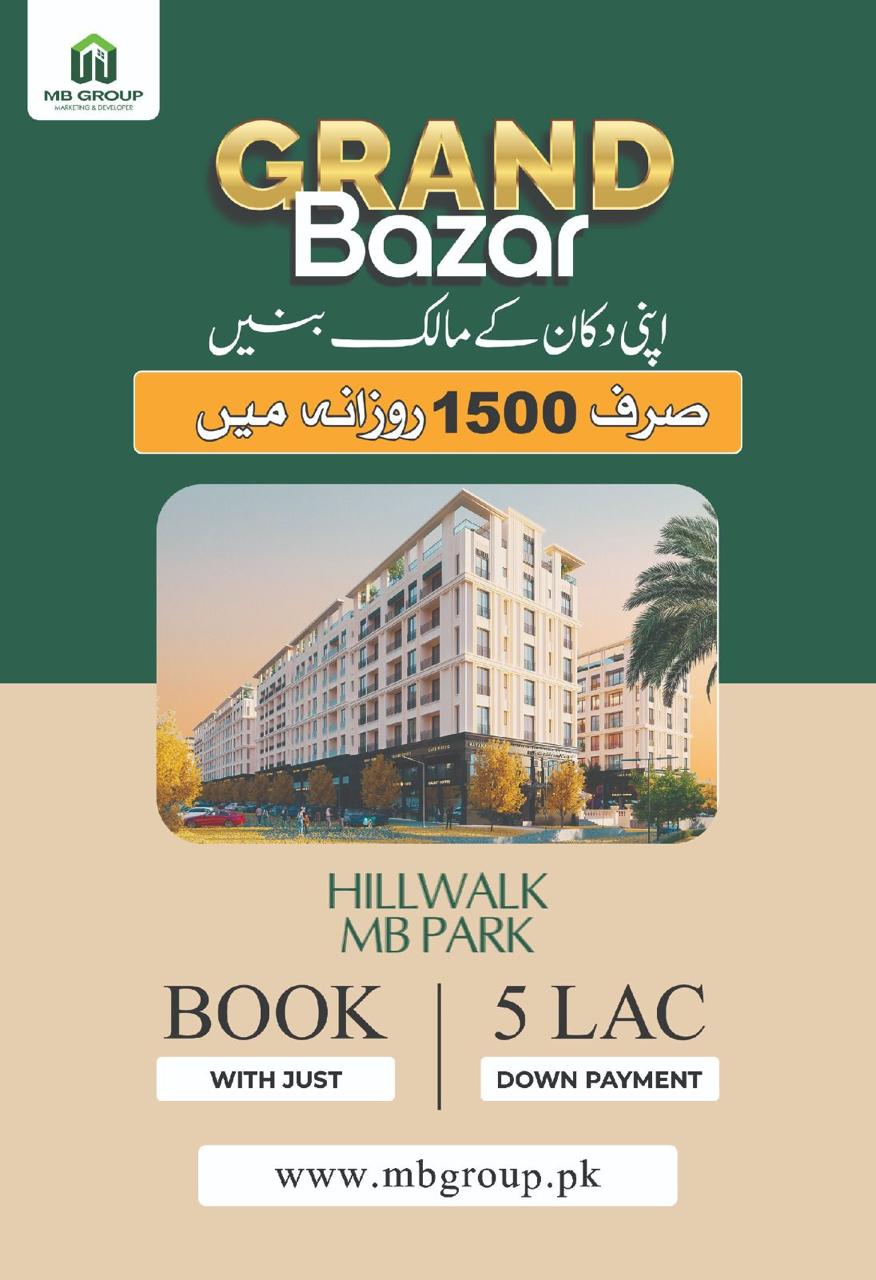
Partnering with the right professional ensures smooth execution, cost efficiency, and a high-quality result. If you’re in Islamabad or nearby areas, consider partnering with MB Group, a trusted name in construction and real estate development with expertise in modern, profitable, and sustainable projects.
We hope this breakdown clarifies the differences for you. Feel free to reach out at 03 111 767 111 if you have any questions or need further information!